
This post is also available in:  English
  Français (French)
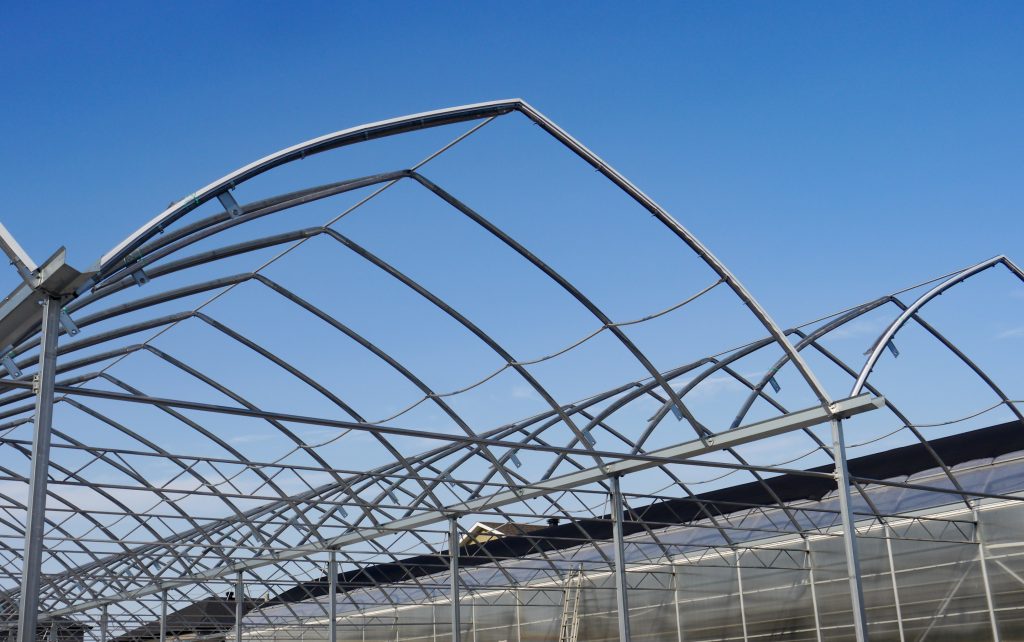
Choosing the geometry of your greenhouse is not an aesthetic decision. It is a technical one that will directly influence your heating costs, ventilation capacity, structural resistance to snow and wind loads, and the quality of light available to your crops.
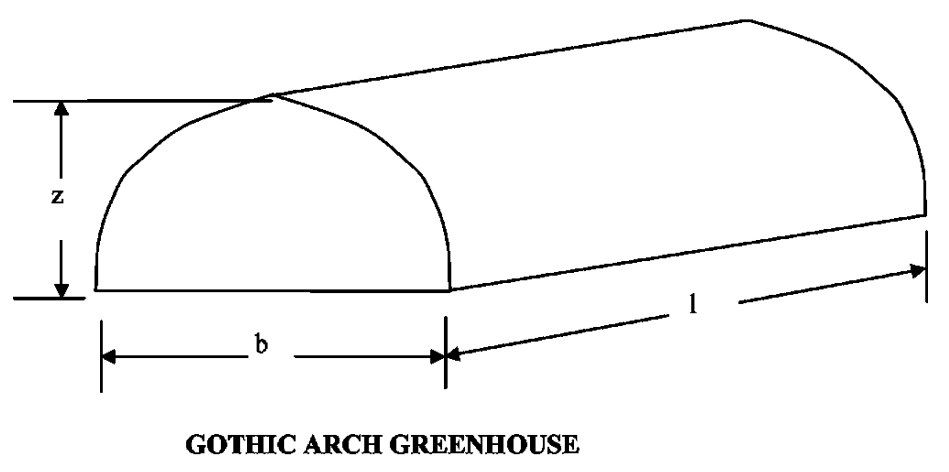
Among the geometries available on the North American market (quonset, A-frame, chapel, and gothic) the gothic arch profile stands out for a combination of agronomic, structural, and energy advantages that few other shapes can match. This is especially true in the climate conditions of the US snowbelt, the Great Lakes region, New England, the Pacific Northwest, and Canada.
Here are 7 reasons why high-performing commercial growers — from ornamental nurseries to market garden operations — choose gothic geometry for their freestanding greenhouse.
1- Optimal light penetration
A gothic arch structure has a higher ridge than a standard quonset or A-frame greenhouse. This directly impacts the structure’s ability to capture sunlight — especially when the sun is low on the horizon in early morning, late afternoon, and throughout the winter months in the Northern Hemisphere.
For ornamental growers producing perennials, annuals, or potted plants from January onward, this matters enormously. More light in winter = faster crop development = earlier market-ready plants.
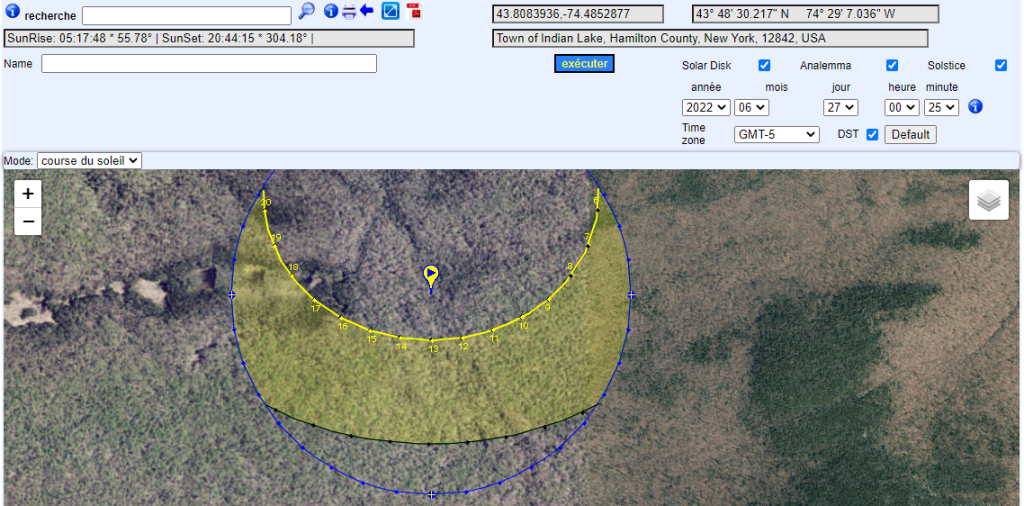
Orientation tip: In the Northern Hemisphere, a North-South orientation is generally more effective for even light distribution during the main growing season. However, an East-West orientation provides better southern exposure from September to March, when the sun is low — an advantage for season-extension operations.
2 – Better Heat Retention = Lower Energy Bills
A peer-reviewed study (Gupta & Chandra, 2002) found that a gothic arch greenhouse requires 2.6% to 4.2% less heating energy compared to a quonset-style structure under identical conditions.
For a market gardener or ornamental grower running a greenhouse through a New England or Midwest winter, that difference compounds quickly into real dollars saved per heating season.
Gothic freestanding structures like the Ovaltech — built with double-inflated polyethylene film — combine the heat-retaining geometry with one of the most thermally efficient covering materials available. The result is a structure engineered for northern winters, not just adapted to them.
3 – Superior Structural Strength — Built for the Snowbelt
The gothic arch profile provides the structure with a fundamentally superior load distribution compared to round-tube or Quonset-style arches. When combined with oval galvanized steel tubing, the gothic greenhouse becomes exceptionally resistant to heavy snow loads and high wind events.
This is not a marketing claim: it is structural engineering. Manufacturers like Harnois Industries engineer their Ovaltech structures to meet the International Building Code (IBC) requirements, with stamped engineering calculations adapted to regional snow and wind loads across the United States and Canada.
For growers in Vermont, Michigan, Wisconsin, upstate New York, or the Pacific Northwest, structural integrity is not optional. It is the difference between a greenhouse that survives a February storm and one that does not.
4 – Superior Snow Shedding — Less Accumulation, Less Risk
The steep pitch of the gothic arch is by far the most effective shape for snow shedding, particularly during periods when the greenhouse is partially heated or completely unheated at night or on weekends.
An A-frame greenhouse with flat roof panels or a low-profile quonset will accumulate snow faster and unevenly. A well-designed gothic freestanding greenhouse, like the Ovaltech series, sheds snow naturally along its curved profile, reducing the live load on the structure and the risk of collapse.
For market gardeners and ornamental growers who cannot afford a structural failure mid-season, this is a critical selection criterion.
5 – Better passive ventilation when using a roof vent
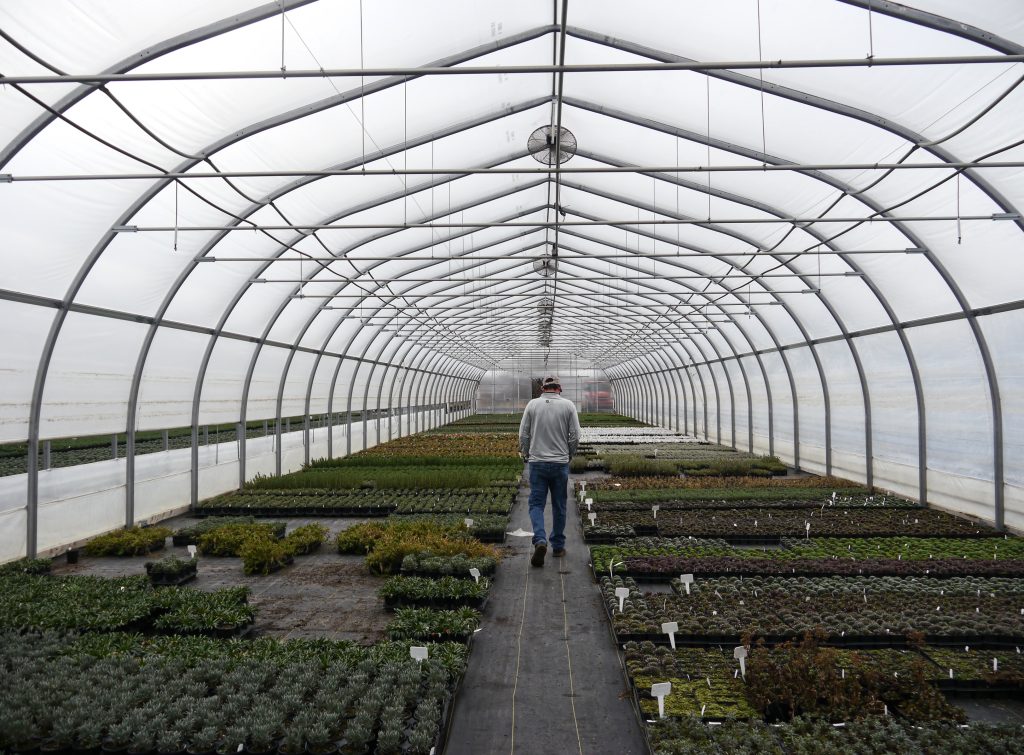
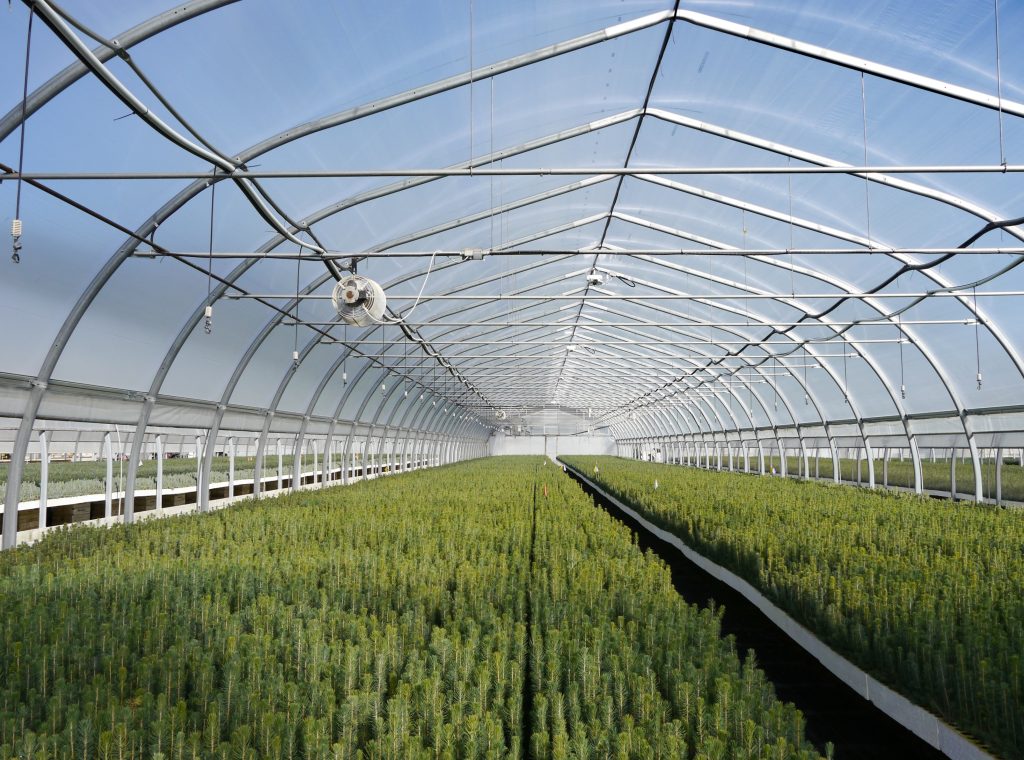
Thanks to the roof angle, a gothic greenhouse equipped with a ridge vent is significantly more efficient at ventilating the growing space. When the vent is open, the effective opening area is larger than that of a comparable Quonset, improving the air exchange rate and reducing heat and humidity buildup.
This is a key advantage for:
- Ornamental growers producing basket crops, hanging baskets, or tall perennials that need consistent airflow to prevent fungal issues
- Market gardeners growing tomatoes, peppers, cucumbers, or other tall vine crops where passive ventilation is the first line of climate defense
- Hemp and cannabis producers use freestanding gothic structures, where airflow management is critical to crop quality
In fact, it offers an additional advantage, particularly if you want to grow taller crops like tomatoes, capsicum, and chili peppers, where passive ventilation capacity is key to regulating the climate and controlling excess heat and humidity in the greenhouse.
6- Drip Prevention — Protecting Crops and Reducing Disease Pressure
The steep pitch of the Gothic arch allows condensation to run down the sides of the structure rather than dripping onto crops below. This is a significant advantage over quonset or A-frame styles, where the flatter roof geometry leads to drip concentration over the crop canopy.
For ornamental growers, dripping water on foliage and flowers is a direct quality issue — spots, botrytis, and fungal pressure all increase with overhead moisture. For market gardeners, the same logic applies to lettuce, herbs, and leafy greens.
When the gothic structure is combined with an anti-drip treated polyethylene film, standard on commercial-grade Ovaltech structures, the effect is amplified. Condensation forms a thin film that runs to the sides rather than accumulating into drops.
7 – Versatility — One Structure, Many Crops and Climates
A gothic freestanding greenhouse is more versatile than any other single-span structure available on the market. The combination of greater volume, better light, stronger ventilation, superior strength, and reduced drip allows growers to:
- Operate in extreme northern climates (Minnesota, Maine, Quebec, Ontario) with confidence
- Grow a wide range of crops — from ornamental annuals and perennials to tomatoes, strawberries, leafy greens, and specialty crops
- Extend their growing season significantly compared to unprotected field production
- Expand by adding additional freestanding units without major infrastructure investment
Some manufacturers offer wider and taller gothic freestanding options (with 3-foot anchor extensions) specifically designed for vine crops, cannabis/hemp, and perennial nursery production.
Gothic Geometry in Practice: Commercial Applications in the US and Canada
The gothic arch is not a theoretical concept — it is proven at commercial scale across the most demanding climates in North America.
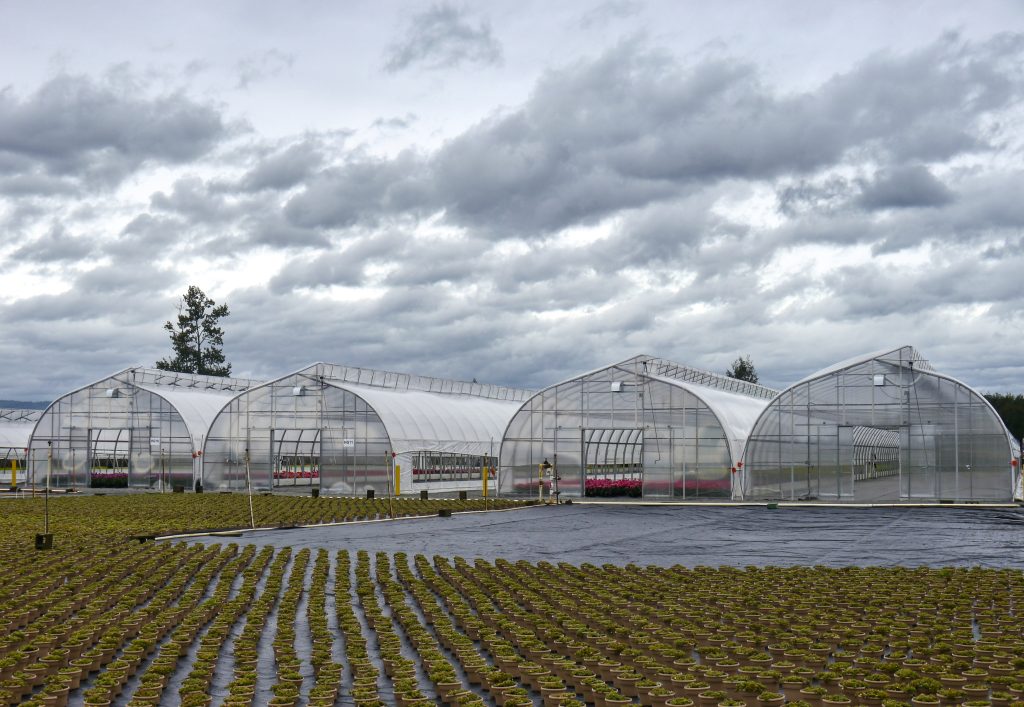
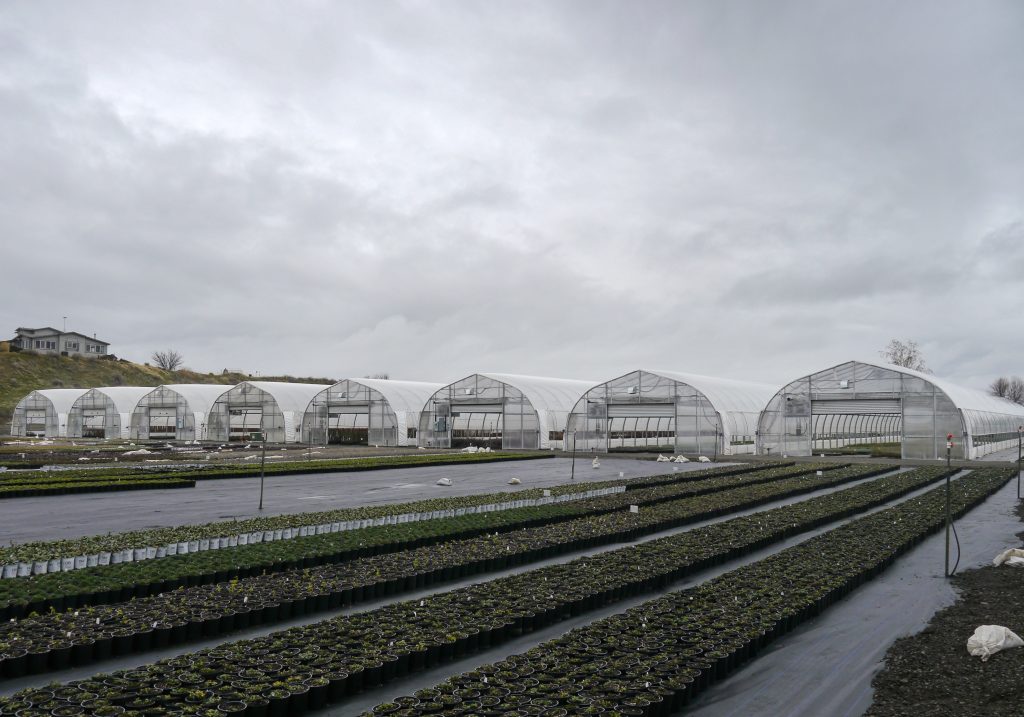
Freestanding Gothic Greenhouses (Ovaltech series): Used by ornamental growers, tomato producers, strawberry growers, and market gardeners from Quebec and Ontario to Washington State, these structures offer an optimal cost-performance ratio for operations ranging from 10,000 to 50,000 sq ft. The taller ridge improves passive ventilation and reduces condensation events compared to lower-profile alternatives.
Gothic High Tunnels (TunnelPro Plus): Deployed at large scale by small fruit producers, these structures combine the structural advantages of the gothic arch with the economic accessibility of a three-season tunnel. Quebec producers operate them across dozens of acres.
Gutter-Connected Multi-Bay Gothic Structures (Luminosa): Adopted by garden centers and commercial ornamental producers, gutter-connected gothic structures maximize usable floor space while preserving the ventilation and light advantages of the geometry. Ideal for large-scale ornamental production or retail greenhouse operations.
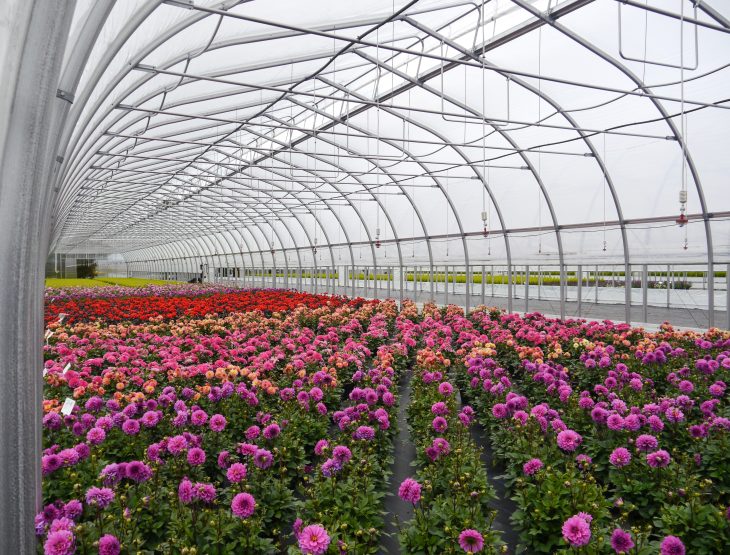
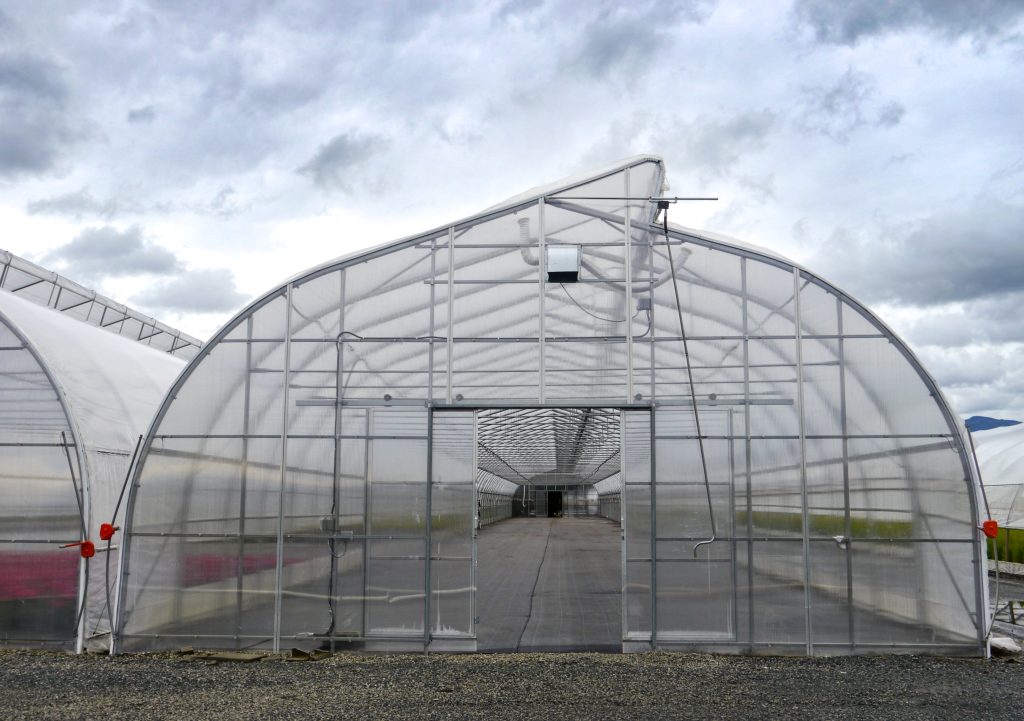
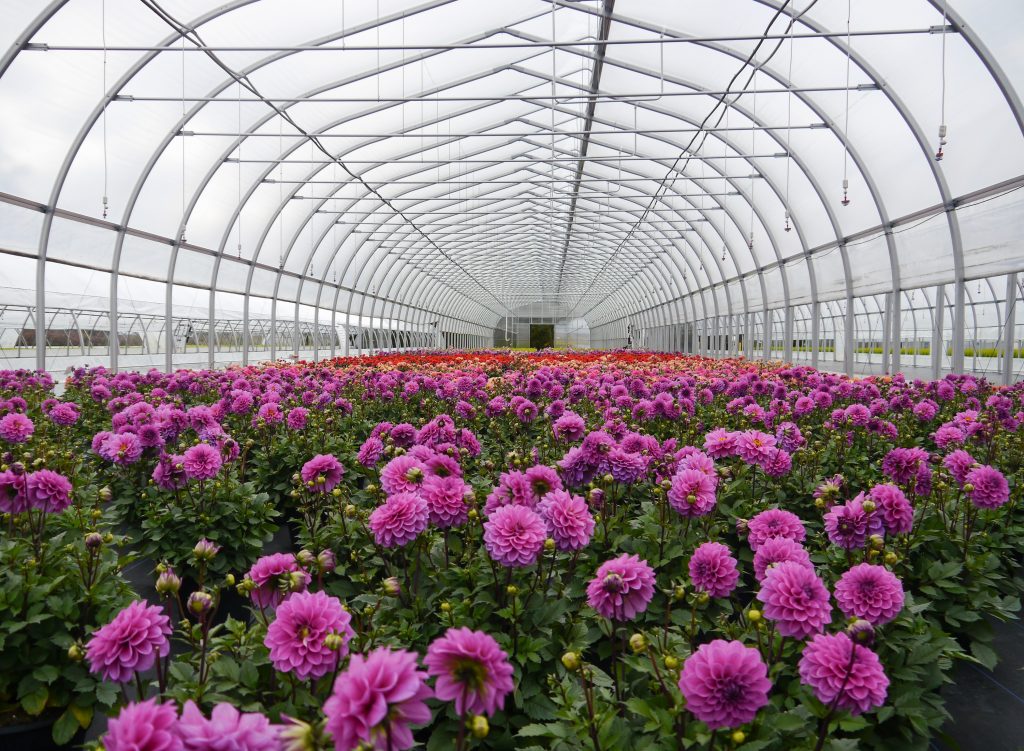
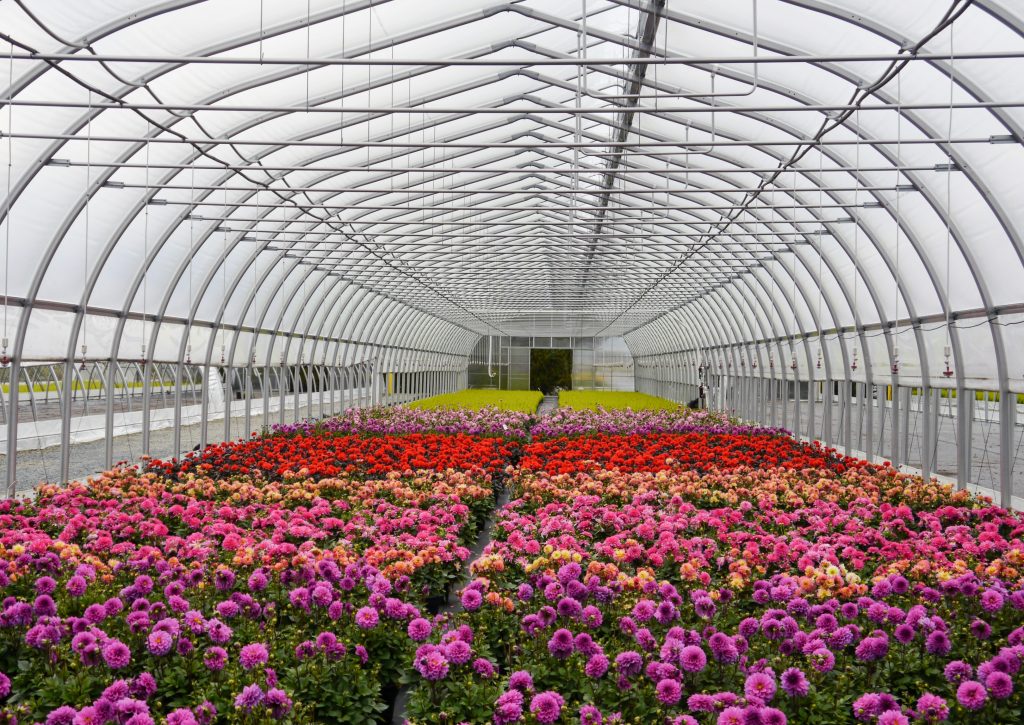
Photos credit: personal photos taken in the United States and Canada by Corenthin Chassouant
Frequently Asked Questions
Is a gothic greenhouse better than a quonset for ornamental production? Yes, for most ornamental production scenarios in the US snowbelt and northern states. The gothic arch provides better light penetration in winter, superior snow shedding, and improved passive ventilation — all critical for ornamental crops produced from January through April.
What is the Ovaltech greenhouse? The Ovaltech is a freestanding gothic arch greenhouse manufactured by Industries Harnois in Quebec, Canada. It uses oval galvanized steel tubing engineered to IBC standards and is available in multiple widths and configurations for commercial growers in the US and Canada.
Can a gothic greenhouse handle the snow loads in the Midwest or New England? Yes — provided the structure is engineered to local IBC snow and wind load requirements. Manufacturers like Harnois provide stamped engineering drawings adapted to regional loads.
Is a gothic greenhouse suitable for market gardening? Absolutely. The combination of taller ridge height, passive ventilation capacity, and drip prevention makes gothic freestanding structures well-suited to tomatoes, cucumbers, peppers, lettuce, herbs, and specialty crops.
Sources
- Gupta, M. & Chandra, P. (2002). Effect of greenhouse design parameters on conservation of energy. Energy, 27, 777–794. https://doi.org/10.1016/S0360-5442(02)00030-0
- Bartok, J.J. (2013). Greenhouse Structures. University of Massachusetts Extension. ag.umass.edu
- Harnois Greenhouses (2024). Ovaltech Freestanding Greenhouse. harnoisgreenhouse.com
- International Building Code (IBC) — Reference for snow and wind load requirements applicable to agricultural structures in the United States


Hello
Good time. Do you introduce software for greenhouse design?
Can the greenhouse structure be made with cement concrete?
Thank you for your guidance.
Hi Medhi,
You can use software like Google Sketchup, AutoCad or CAD Standard (2D only) to make a first drawing of your project. Then, it can be useful to use it while talking to a greenhouse manufacturer to explain what you would like (crop layout, density and yield) making sure that it is feasible on your project site.
Thank you,
Corenthin
[…] 7 reasons to have a greenhouse with a gothic design design engineering gothic greenhouse International Building Code National Building Code resistance snow load structure wind load winter […]
[…] for a gothic design greenhouse that maximizes natural light […]
[…] 7 reasons to have a greenhouse with a gothic design […]