
This post is also available in:  English
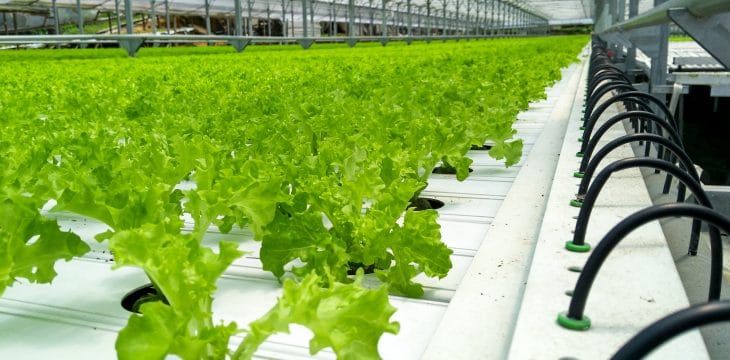
Algae development is one of the most persistent and underestimated problems in commercial hydroponic greenhouse systems. Left unmanaged, algae colonize irrigation pipes, filters, pumps, and growing gutters, reducing water flow, clogging emitters, and creating a biological matrix where harmful bacteria and fungi thrive.
For growers producing lettuce, herbs, and leafy greens in NFT or gutter systems, the cost of algae is not just operational. It affects crop health, product quality, and ultimately the consistency that retail buyers and distributors expect.
Ultrasonic technology offers a chemical-free approach to controlling algae and biofilm in recirculating hydroponic systems. Here is how it works and what commercial greenhouse operators need to know.
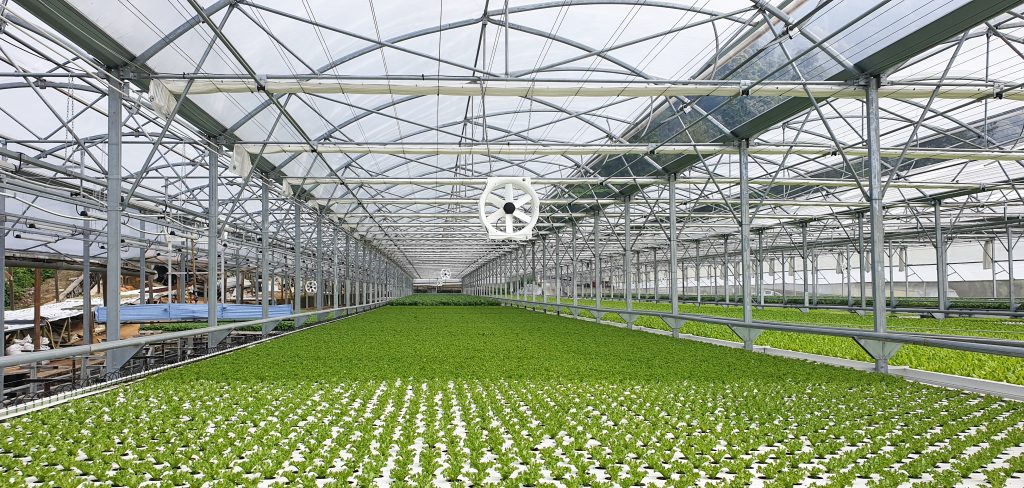
Today, growers use this technology to control and reduce the algae development with ultrasounds.
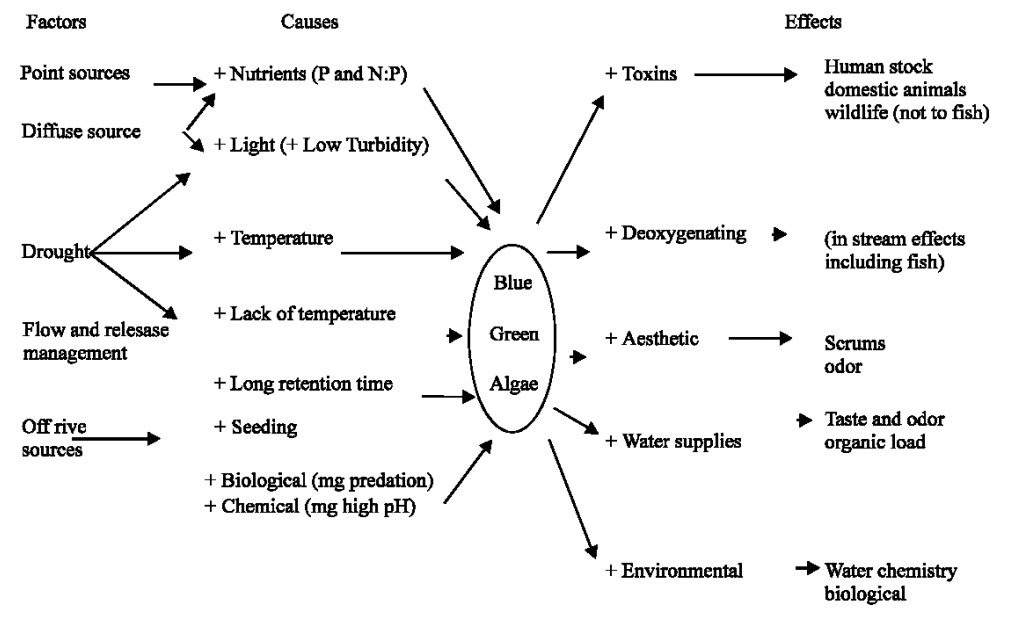
Cause and effect of blue-green algae
How Ultrasonic Technology Works in Hydroponic Systems
Ultrasonic devices emit sound waves at specific frequencies directly into the irrigation water. These waves create pressure cycles around algal cells, disrupting their internal gas vesicles and cell membranes through a process called cavitation. Damaged cells lose buoyancy, sink, and are unable to reproduce. Research conducted at Cornell University and published in Lake and Reservoir Management (Getchell et al., 2022) confirmed the efficacy of ultrasonic systems under real field conditions.
Frequency selection matters significantly. Studies show effective algae inhibition at frequencies of 29.4, 470 and 780 kHz, with results measurable within the first 7 days of treatment (ScienceDirect, 2021). Green algae and diatoms respond to lower frequency ranges (24 to 58 kHz), while cyanobacteria require higher frequencies in the 195 to 205 kHz range.
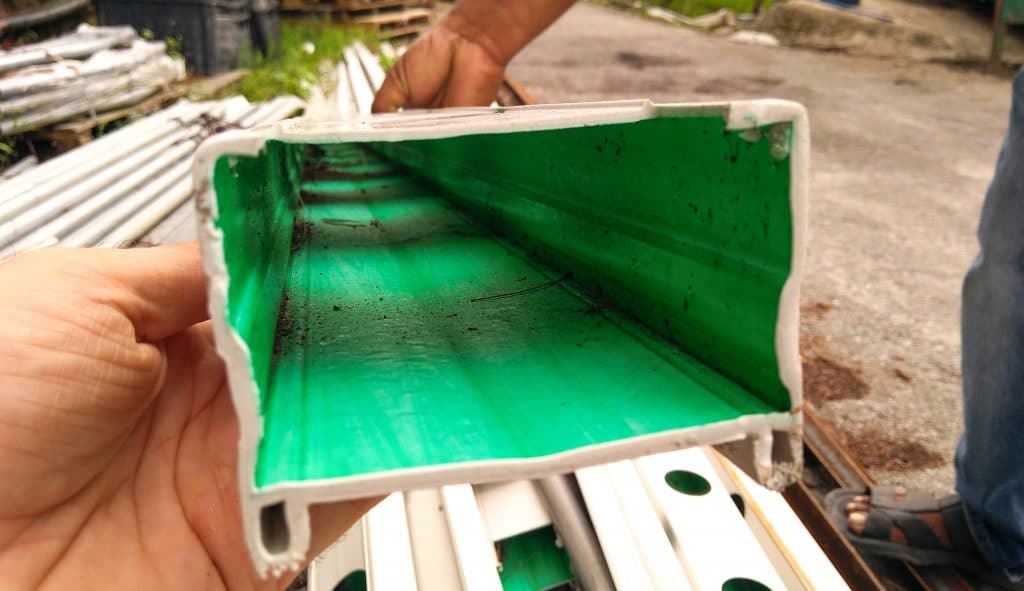
Beyond algae, ultrasonic treatment reduces biofilm formation in pipes, gutters, and filters — a significant operational advantage in recirculating NFT systems where biofilm buildup restricts water flow and harbors pathogens including E. coli and Legionella. Some advanced systems now integrate real-time water quality monitoring with automated frequency adjustment, matching the ultrasonic program to the specific algae type detected in the water (LG Sonic, 2024).
Conclusion
Ultrasonic algae control is not a replacement for good greenhouse hygiene practice: it is a complement to it. For commercial hydroponic growers managing recirculating systems, it offers a chemical-free, low-maintenance tool that reduces algae pressure, limits biofilm buildup, and protects irrigation infrastructure over the long term.
As with any technology, results depend on proper sizing, installation, and integration with your existing water management protocols. If algae is a recurring problem in your NFT or gutter system, it is worth evaluating alongside UV sterilization and chlorination as part of a broader water quality strategy.
Sources and further reading:
- Getchell et al. (2022). Effects of ultrasonic algae control devices on fish. Lake and Reservoir Management, 38, 240-255. Cornell University. Read the study
- Physical prevention and control technologies for algae in eutrophic water. iScience, June 2024. Read the article
- Evaluation of ultrasound as a preventative algae-controlling strategy. ScienceDirect, 2021. Read the study
- LG Sonic (2024). Ultrasound for algal bloom control: background and effects. Read more